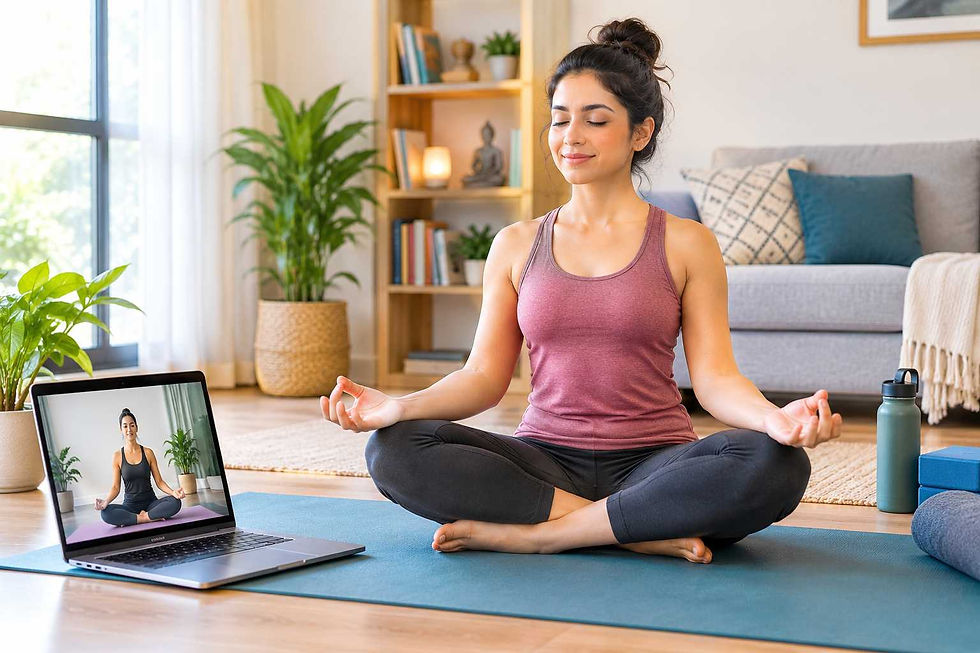
Prenatal Yoga vs. Regular Yoga: What’s the Difference?


Yoga during pregnancy is one of the gentlest ways to stay active while your body changes week by week. But can you simply keep attending your regular class? Not quite. Prenatal and regular yoga share the same roots, yet they are designed for very different bodies and goals. At Always Live Yoga, we want expectant mothers to practice with confidence, so here is a clear look at how the two styles compare.
What Is Regular Yoga?
Regular yoga includes styles such as Hatha, Vinyasa, and Ashtanga. Classes often feature deep twists, strong core work, long holds, backbends, and sometimes a heated room. The goal is general strength, flexibility, balance, and stress relief for a non-pregnant body. Those goals are valuable, but several of these movements do not suit yoga during pregnancy.
What Is Pregnancy Yoga?
Pregnancy yoga, often called prenatal yoga, is a modified practice built around the stages of pregnancy. Poses are adapted to make room for your growing belly, support your changing posture, and reduce strain. Breathing, relaxation, and pelvic floor awareness also get more attention. Yoga during pregnancy is less about pushing limits and more about feeling steady, supported, and calm.
Key Differences Between Prenatal and Regular Yoga
Here is how regular classes and yoga during pregnancy compare at a glance:
Feature | Regular Yoga | Prenatal Yoga |
Pace | Often fast or intense | Slow and mindful |
Twists | Deep, closed twists | Gentle, open twists |
Core work | Strong abdominal engagement | Gentle support, no belly compression |
Lying on your back | Common | Avoided later in pregnancy; side-lying used instead |
Heat | Sometimes a heated room | Cool, comfortable room |
Props | Optional | Bolsters, blocks, and walls for support |
Focus | Fitness and flexibility | Comfort, breath, and birth preparation |
These differences exist to keep you comfortable and supported while you enjoy yoga during pregnancy.
Why Yoga During Pregnancy Needs Modifications
Your body produces relaxin, a hormone that loosens ligaments in preparation for birth. That added flexibility makes it easy to overstretch a joint without feeling it. Your center of gravity also shifts as your belly grows, which affects balance. Deep closed twists, intense abdominal work, and lying flat on your back for long periods are commonly discouraged as pregnancy progresses. This is why safe yoga during pregnancy depends on thoughtful adjustments rather than simply following a standard class.
Benefits of Prenatal Yoga
The benefits of prenatal yoga reach beyond staying active. Done well, yoga during pregnancy can help with:
Easing back, hip, and shoulder tension
Sleeping and relaxing more easily
Building strength and stamina for labor and recovery
Learning breathing techniques to stay calm during contractions
Meeting other expectant mothers for community and support
Research suggests yoga during pregnancy may also help reduce stress and support mood, though results vary from person to person.
Prenatal Yoga Exercises to Try
These prenatal yoga exercises are simple, supported, and kind to the body, which makes them a good fit for yoga during pregnancy at many stages:
Cat-cow: eases lower back pressure and builds spinal awareness.
Supported squat on a block: opens the hips and strengthens the legs.
Wide-knee child’s pose: creates space for your belly while stretching the back.
Side-lying rest: lets you relax without lying flat on your back.
Seated breathing with a bolster: calms the nervous system.
Practice these with an instructor trained in pregnancy yoga, especially if you are new to yoga.
Is Yoga During Pregnancy Safe?
For most healthy pregnancies, yes. The American College of Obstetricians and Gynecologists recommends at least 150 minutes of moderate activity each week for pregnant women without complications, and yoga during pregnancy can be part of that routine. Still, every pregnancy is different. Speak with your doctor or midwife before you begin, especially if you have high blood pressure, bleeding, placenta concerns, or a history of preterm labor. Stop and get advice if you feel dizzy, short of breath, or notice pain.
Quick Tips for Safe Yoga During Pregnancy
Choose a cool room and skip hot yoga
Avoid deep twists and strong belly compression
Use props to support your body
Move slowly and never push into pain
Drink water and rest whenever you need to
Which Class Is Right for You?
If you practiced regularly before pregnancy, you may be tempted to carry on as usual. Some regular classes can work with modifications, but only when the teacher understands pregnancy. A dedicated prenatal class removes the guesswork, because every pose, prop, and breathing exercise is chosen for your changing body. It also connects you with others at the same stage. If you are new to yoga, a prenatal class is usually the safest starting point for yoga during pregnancy.
Begin Yoga During Pregnancy with Always Live Yoga
Whether you are curious about pregnancy yoga or ready to book your first session, Always Live Yoga is here to guide you gently. Visit alwaysliveyoga.com to explore our classes and ask about options for expecting mothers.
Prenatal and regular yoga differ in pace, poses, and purpose. Yoga during pregnancy works best when it is gentle, supported, and approved by your healthcare provider. Choose the practice that fits your body today, and enjoy the calm it brings.