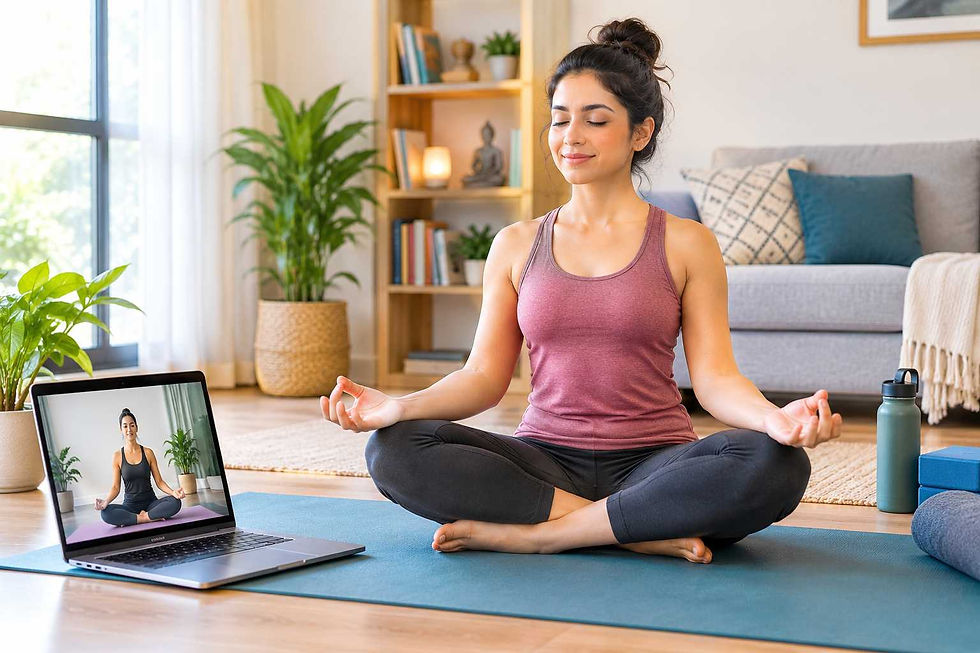
When Should You Start Prenatal Yoga During Pregnancy?


Most expectant mothers ask this question soon after the positive test: is it too early to start moving, or too late to begin? The good news is that prenatal yoga during pregnancy is open to most healthy women at nearly any stage, as long as a doctor or midwife agrees. The better question is when to start prenatal yoga so that it feels comfortable instead of forced.
At Always Live Yoga, we believe a gentle practice should meet you where you are. This guide covers timing for each trimester, what makes a class or home sequence safe, and how to begin if you have never unrolled a mat.
When to Start Prenatal Yoga: The Short Answer
For most healthy pregnancies, you can begin prenatal yoga during pregnancy as soon as your healthcare provider gives the go-ahead. Many women wait until the second trimester, around week 13, because early pregnancy often brings nausea, fatigue and sore breasts that make exercise unappealing. Others begin in the first trimester with slow breathing and light stretching, and some find it takes the edge off the queasiness.
There is no single deadline. Starting late, even in the third trimester, can still ease aches and help you feel more prepared for birth.
Prenatal Yoga During Pregnancy, Trimester by Trimester
Your body changes quickly over nine months, so the best practice changes too. Here is a simple way to think about it:
First trimester (weeks 1 to 12): Energy is often low. Keep sessions short and gentle, focus on breath, and rest whenever you need to. Avoid getting overheated.
Second trimester (weeks 13 to 27): Many women feel better now. This is a popular window to build strength in the legs, hips and back. As your belly grows, take a wider stance so there is room for it.
Third trimester (weeks 28 to 40): Slow down and use plenty of support. Hip openers, pelvic floor awareness and restful poses tend to feel best, and long stretches lying flat on your back are best avoided.
What Makes Safe Prenatal Yoga?
Research and professional guidance generally describe prenatal yoga as a low-impact option for healthy pregnancies. Still, safe prenatal yoga looks different from a regular vinyasa or power class. A few ground rules:
Skip hot yoga. Overheating is a concern in pregnancy, so choose a comfortably cool room.
Twist gently. Open twists that turn the chest away from the belly are fine. Deep closed twists that squeeze the abdomen are not.
Avoid long stretches flat on your back. After the first trimester, prop yourself up on a bolster or pillows.
Leave out inversions and strong backbends. Your balance and core are shifting.
Stop short of your limit. Pregnancy hormones loosen your ligaments, so it's easy to overstretch without feeling it.
Check with your provider before you begin, especially if you have high blood pressure, bleeding, a placenta concern or a history of preterm labor. Safe prenatal yoga always starts with personal medical advice.
Why Choose Prenatal Yoga for Pregnant Women?
Prenatal yoga for pregnant women combines movement, breath and relaxation in one session. Many women report that it helps in a few practical ways:
Easing tension in the lower back, hips and shoulders
Supporting better rest and a calmer mind
Building gentle strength and stamina for the months ahead
Practicing slow, steady breathing that can be useful during labor
Connecting with other expectant mothers in a class
None of this replaces medical care, and every pregnancy is different. Think of yoga as one supportive habit among many.
Pregnancy Yoga for Beginners: How to Get Started
You don't need any experience. Yoga for beginners works best when you keep things simple:
Talk to your provider. Get a clear yes before your first session.
Pick a prenatal class or video. A teacher trained in pregnancy knows which poses to adapt.
Start small. Fifteen to twenty minutes, two or three times a week, is plenty.
Gather a few props. A mat, a bolster or firm pillow, two blocks and a strap make poses far more comfortable.
Use the talk test. If you can't chat while you move, ease off.
Good first poses include Cat-Cow, Child's Pose with knees wide, Butterfly and a supported side stretch. All of them are easy to learn and easy to adjust.
What If You Already Practice Yoga?
If yoga was part of your life before pregnancy, you can usually continue, but your routine will need edits. Many experienced students find that prenatal yoga during pregnancy asks for more patience than expected. Poses you once held easily may feel different as your center of gravity shifts. Drop advanced balances, swap deep folds for wide-legged ones, and shorten your holds. Tell your teacher you're pregnant and how far along you are.
How Often Should You Practice?
Most women do well with two to four sessions a week, though even a few minutes of daily breathing counts. Consistency matters more than intensity. A regular, gentle practice tends to feel better than an occasional long class, and it gives your body time to adapt. On low-energy days, a ten-minute stretch is plenty. Rest days are part of the plan too.
When Should You Stop and Call Your Provider?
Pause your practice and contact your healthcare provider if you notice any of the following:
Vaginal bleeding or leaking fluid
Dizziness, chest pain or shortness of breath before exertion
Regular, painful contractions
Abdominal pain
A noticeable drop in your baby's movement
Trust your instincts. If something feels wrong, stop and get advice.
Begin Gently With Always Live Yoga
The right time to start is usually the time you feel ready and your provider has cleared you. Choose a gentle sequence, keep the pace slow, and let comfort guide every pose. Always Live Yoga is here to help you build a calm, confident practice, so explore our beginner-friendly yoga guides and take your first breath on the mat.